Home Blog Page 26

Word of the Day: Aspiration.

0

Aspiration is a word often used by brand planners and savvy brand managers — a word I’ve used many times.  It has not taken over the brand planning oeuvre as have words like “transparency” and “authenticity” but it’s getting there.  

When I use the word aspiration, it is usually in the context of creating brand planks.  (Brand planks are the proofs that deliver consumer belief.  Brand planks are groupings of demonstrations/evidence that convey a brand claim.)

Sometimes, I must make a decision to include a proof plank that is so overwhelmingly and inextricably desired by consumers it must be included. Even if the brand is not good at delivering it. This may seem disingenuous. It’s not.  It’s aspirational. It becomes part of the brand build-out. It becomes an operational imperative.

Say you are math tutoring business and parents want better test grades for their kids. And your business is not built to codify better grade movement. Well, to compete you need to build that into your business. It’s a strategy. A means to an end. So you may not be perfect at it now but it must becomes an aspiration of the business. An active aspiration.

Another definition of aspiration derives from the word aspirate.  Something we’ve become all to familiar with since Covid. It’s the sneezing of particulates from one location to the other. Chicago Med much? That aspiration is also critical to brand planning.  We need to give consumers proofs they can share with fellow consumers. Then they become referrers. 

As poor branding and, therefore, poorer advertising infects the web and other broadcast media, word-of-mouth is growing in importance.  When someone says, Mario’s has the best Pizza in town and you ask why, people want a real answer? Proof gets aspirated.

Peace.
 

Brand Planning Short Cuts.

0

I am pretty lucky as a brand planner.  It’s rare that I have an assignment where I don’t “deliver” with my first presentation. Sometimes there might be a quibble with a word in the claim but not with its strategic intent. That’s what happens when you fully immerse and toss off preconceptions. Go all in tabula rasa.  

Recently, I’ve been working with smaller startup brands as a result of some mentoring I’m doing with Asheville Elevate.  As a mentor, I don’t have the opportunity to do the big dig. I have to learn the business more with a hand-trowel than a shovel.  To make sense, I’ve had to short cut my process. Often I’ve neglected to write a brand brief. 

In a recently full monty assignment, I did the big dig and presented to the chiefs what I thought was a really winning brand claim and proof array.  It missed the mark. My neglect was to fully understanding the consumer mindset. I was long on brand good-ats but short on customer care-abouts.

My idea was born, before the brief was written.  I needed more customer interviews and I needed to work the brief.  The short cuts learned due to expediency, worked against me.

New motto: Go back to the brief.

Peace.


Brand Names and Naming.

0

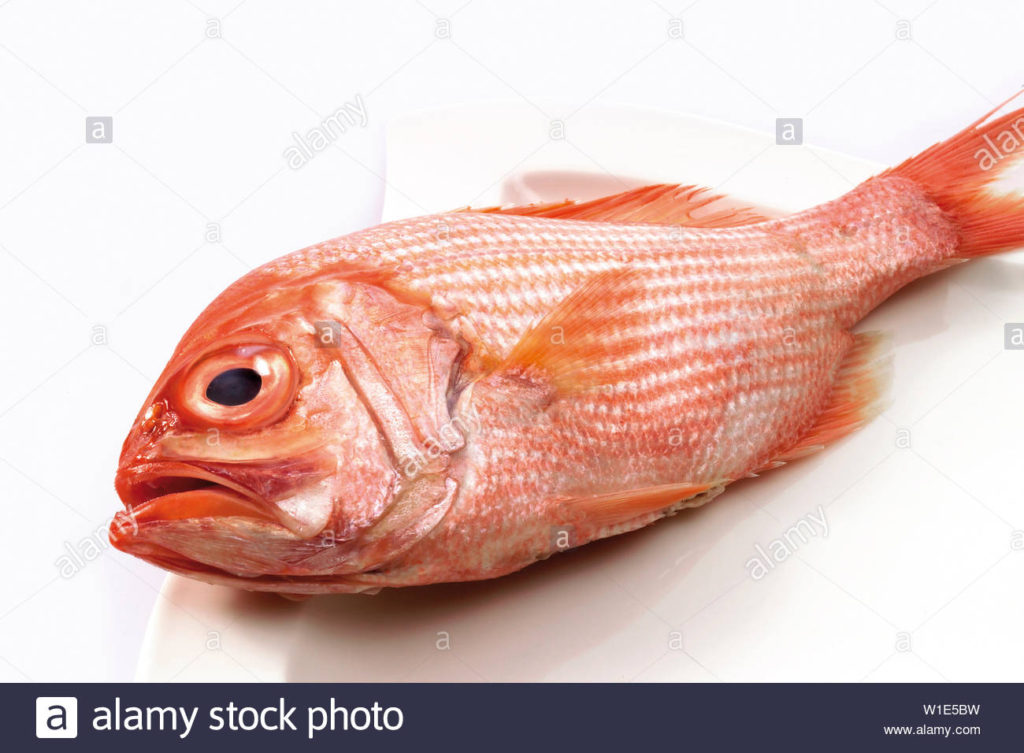
According to The New York Times “Orange Roughy, a species of deep-sea fish, was originally known as slimehead but was rebranded in the 1970s to better appeal to consumers.

Smart move. 

Words are important. Names are important. Using a name to creating positive associations for consumers is an age-old marketing pursuit. In the case of the former orange roughy, no one really wants to dine on slime. And the head of the fish is not often thought of as the most delicious part. The orange cast to the fish was smart branding. Colorful fish are more exotic and cooler to look at.  And the notion of citrus offered in the name, doesn’t hurt. As for Roughy, it probably relates to a particularly scaley body which is a simple identifier.

I’m of the school that suggests names should mean something. Imply something. Convey something positive about the product or service. If possible, they should also be fun and culturally contextual. Keep nasty names at arm’s length. Also watch out for negative words that rhyme with your brand name. After a couple of mishaps U.S. Air became U.S. Scare.

One thing I always recommend before naming is the development of a brand brief. A brand strategy. Know where you are going before your start creating names. It helps.

Clearly the fisherman who named slimehead, didn’t have a brief.

Peace.


Are Taglines and Brand Strategy the Same Thing? 

0

Of course not. A brand strategy comprises 4 elements: a brand claim and three support planks. A tagline is a creative summation of the brand claim.  A brand claim, e.g., Coke is refreshment or Google puts the world’s information one click away, is not necessarily creative. That’s up to the agencies. To the campaign developers.

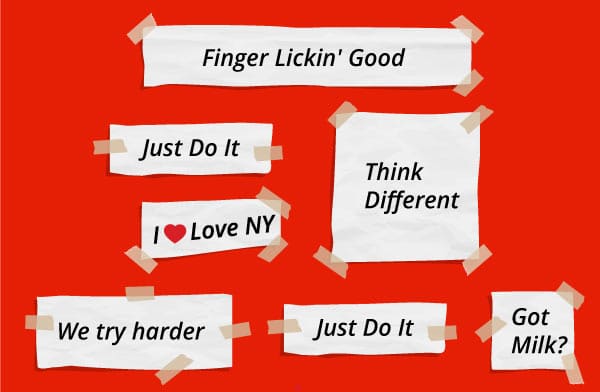
And honestly, taglines are way better than brand claims. Finger lickin’ good for KFC, was way better than any strategist’s brand claim.

But the brand claim and tagline should be synonymous. Two peas in a pod.  And obviously, all advertising and messaging works best when in sync with the claim. Outlier messages are not deposits in the brand bank.

Campaigns come and go, a powerful brand idea is indelible.

Peace.


Taglines and Brand Claims.

0


Brand strategy claims, developed independent of an ad campaign are the way to go.  Taking a copywriter’s last sentence and turning it into a tagline is, forgive me, lazy. I can see why people do it, but its not very thoughtful. Or strategic.

I’m in the brand strategy business. The deliverable I provide to clients is a brand claim plus three brand planks, also referred to as support planks.  The claim by itself is nothing more than advertising…telling people what you are (to them).  It’s the planks that carry the water — that make believers out of consumers.  

The brand claim is strategic, not creative. That’s to give creative teams the ability to connect with culture in a timely fashion. To make ads that are more motivating and lively. Perhaps more fun and memorable.  But I’ve had a run lately of brand claims that have become taglines. Partly because they are short. Maybe offering a bit of poesy. (Not my words a colleague’s.)

While on this roll I seem to have settled on shorter claims. More pregnant claims. Even two word efforts.  And I think is may be bleeding into the area of creative, which is not my day job.

Sometimes longer and more explicit is better. So long as it is not a compound sentence or filled with conjunctions. One idea yes.  Explicit yeser.

Peace.


Tania

0

I wrote this ad in 2012 while marketing director at TEQ.  I never showed it to anyone…until now.  It was meant to be produced as a handwritten letter from a student named Tania.  Hope you like it.   

The roof in my kitchen fell in last night.  Me and mom and my little brother had to sleep across the hall at Mrs. Junez.  Mom was so tired she fell asleep on the couch with the remote under her. I had to pull the plug on the TV to get to sleep. It took me a long time to figure out how find the TV plug without turning the lights on. Mrs Junez doesn’t like mom but she sometimes gives me molasses cookies. She always asks me if I’m doing my homework. Always.  Sometimes I fib. I don’t want to make her sad.

School makes me feel normal, but it doesn’t last long enough. I wish they had it until after dinner. I love reading and gym and recess. And Friday is churros day.

Sometimes I walk home from school and look at the buildings and wonder who made them. It all started with a piece of paper.  Who is that smart? I like dreaming like that.

My teacher sometimes says I don’t pay attention to what he’s saying. I try to. It’s hard.

I do like it when I can go to the Smartboard, though. It’s like I’m the teacher.

Tania

Everything you need to know to teach a child is in their eyes.

Teq. The eyes have it.

An Educational Development company.

Interactive White Boards, Professional Development, Usability Training

You don’t have to be  great writer to create a connection. Oh, and this ad was on strategy: Illuminating Learning.

Peace.

The Pandemic and the Boil Down.

0

If the pandemic taught us anything it was to dig deeply into our businesses and to prioritize what’s most important.  When retail doors shut, people were furloughed. Bank accounts were assessed to see how long the runway was before other bills had to be paid. Founders realized whether they could afford to bypass their own paychecks.  

With no revenue is coming in, it was important to come to terms with what could go out. Accountants were called. Banks were called. Businesses looked to the government for leadership. There was a good deal of chaos and panic.

However, many people did what I call the boil down.  They evaluated everything about their businesses and tried to go on offense. “What can we do with our resources and competencies to make things better?” Liquor distillers made hand sanitizer.  A quieted fish distributor in the Bronx sublet his space to the city, so free meals could be packaged. Restaurants created take-out businesses.  

Those who looked inward to see what they did best and how to adapt found new strength. Remember those accountants? They built a cottage industry helping clients get PPP loans.

The boil down is a fundamental part of brand planning. It’s healthy when under duress. And it’s healthy when a business is thriving.  Self-evaluate, evaluate your customers, and focus.

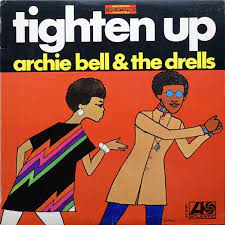
As Keith Hernandez would say “Do the tighten up.”

Peace.


Brand Strategy and Shortcuts

0

There’s an old axiom in police work that suggests the ability to solve a murder drops off precipitously if there isn’t a solid lead within 48 hours.  In brand strategy development, nothing could be further from the truth. It’s a long process. At What’s The Idea?– and we’re quick — it takes a good month.

I don’t even fire up the strategy side of my brain for good two weeks.  I need to collect.  Data, stories, insights, visual cues, user experiences, the list goes on. Everything contributes.

Maybe early patterns emerge before I get thoughtful, but those are often false dawns. I require lots of information before I begin the boil down. Snap judgments early on can taint the process. Clean slate, clean slate.

When you have enough info on your brand to start dreaming about it, you are in the neighborhood. You are getting closer.  When the information starts cascading like a waterfall in one direction. That’s when it’s time to put the strategy hat on and start writing.

Mark Pollard’s book is called Strategy Is Your Words. Strategy is your work, as well. Don’t make short cuts.

Peace.


The Green Day Effect.

0

Green Day used to be one of the coolest bands in the world. They were on a mission. They were angry. Angsty. Hungry (literally and figuratively). And they thrashed out music from their bared souls. It changed a generation. Their art, their music, was easy for them.

Then they became millionaires. And lost their anger appetite. Mansions, Rolls Royce’s, having kids…can do that.

I’m working on a brand serving the small business market. They came from small. They were underdogs. Had chips on their shoulders. They lived small business main street. As such, they offered customers a familiarity and empathy few could offer. But then they started to grow. And grow. Scale became important. As did systematization, which savvy use of technology enabled.

My work is to help them grow while still maintain that small business appetite. It’s not a logo thing. It’s not a typography or tagline thing. It’s a brand strategy thing.   

Lee Clow or Jay Chiat once said about their ad agency Chiat Day (and I parapharase) “We’re trying to find out how big we can get before we suck.” It doesn’t have to be that way. But it takes lots of planning to fight off the Green Day Effect.

Peace!


Brand Strategy Presentation.

0

When presenting brand strategy to a client, I typically start with a couple of quotes from industry leaders. Then I share the names of those interviewed during discovery.  Next, I share what the brand brief looks like in shell form before taking them through the completed brand brief.  I read the brief which plays out like a story. The big reveal is the brand claim and three proof plank array (that provide evidence for the claim). Organized evidence.

In closing, I share bullet points on brand claim Pros and Cons.  

I’m thinking about changing it up a bit though. I might lead with a verbal introduction explaining what makes their brand great. That “what makes the brand great” explanation will actually map to the three proof planks to be presented in the brief.  But it will do so conversationally, not presentationally. A foreshadow, if you will. Every parent wants to hear their baby in beautiful.

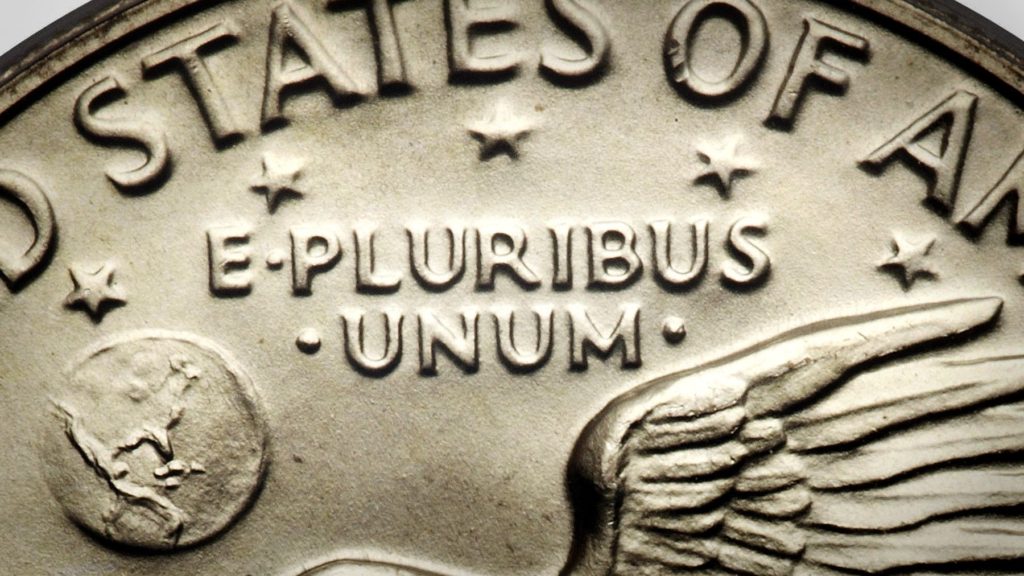
The heavy lifting of brand planning is finding the correct 3 proof planks. Selecting the values, from many, is the brand planner’s IP.  E pluribus threeum.  From many, three. Together, these planks are the values most proven to get consumers to commit to your product or service. A triumvirate.

Sharing with a client what makes the company or brand great at the beginning of the meeting can build trust, familiarity and set the table.

Peace.